Fear of Open Water: Why the Pool's “Black Line” Won't Save You
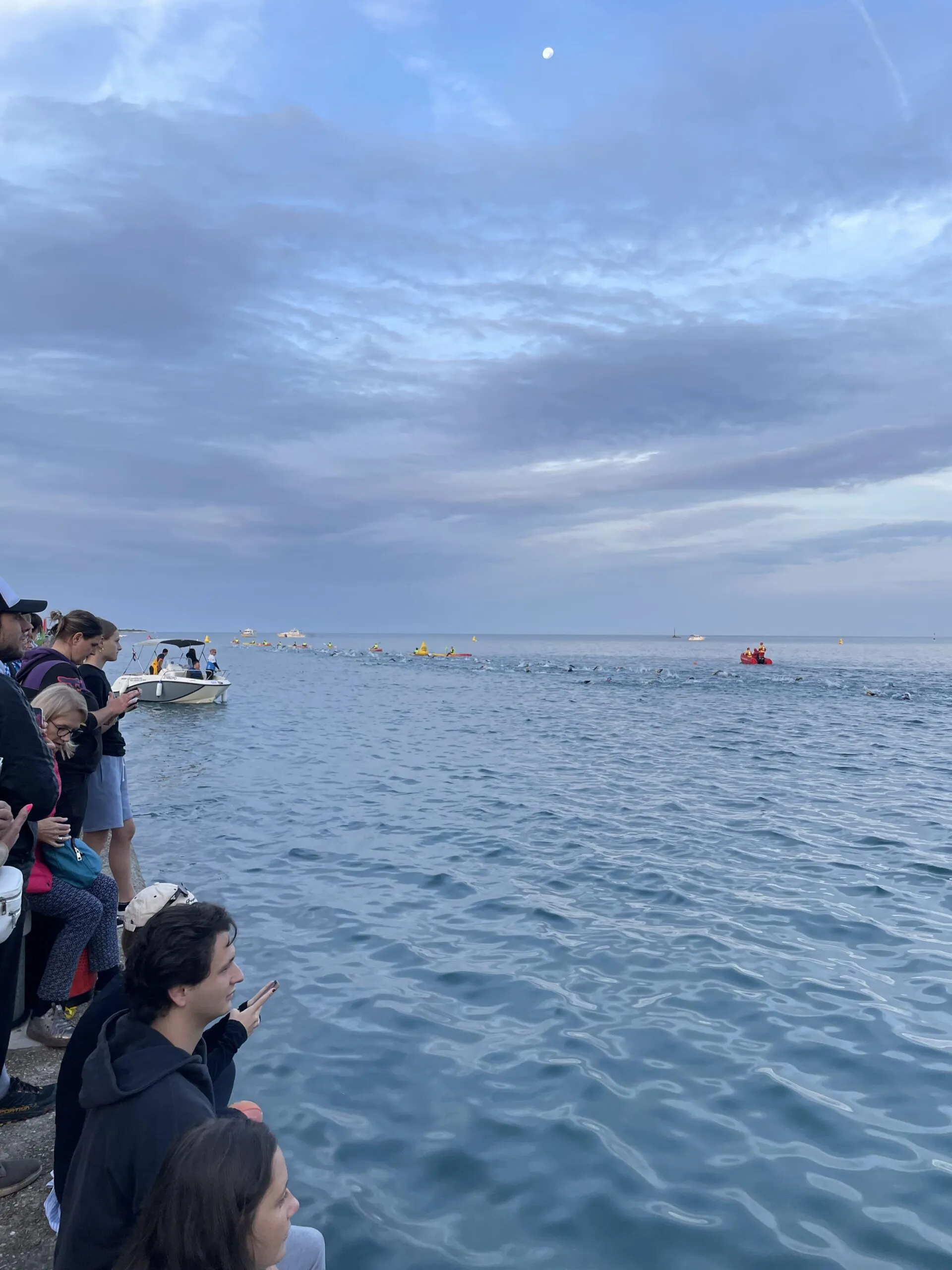
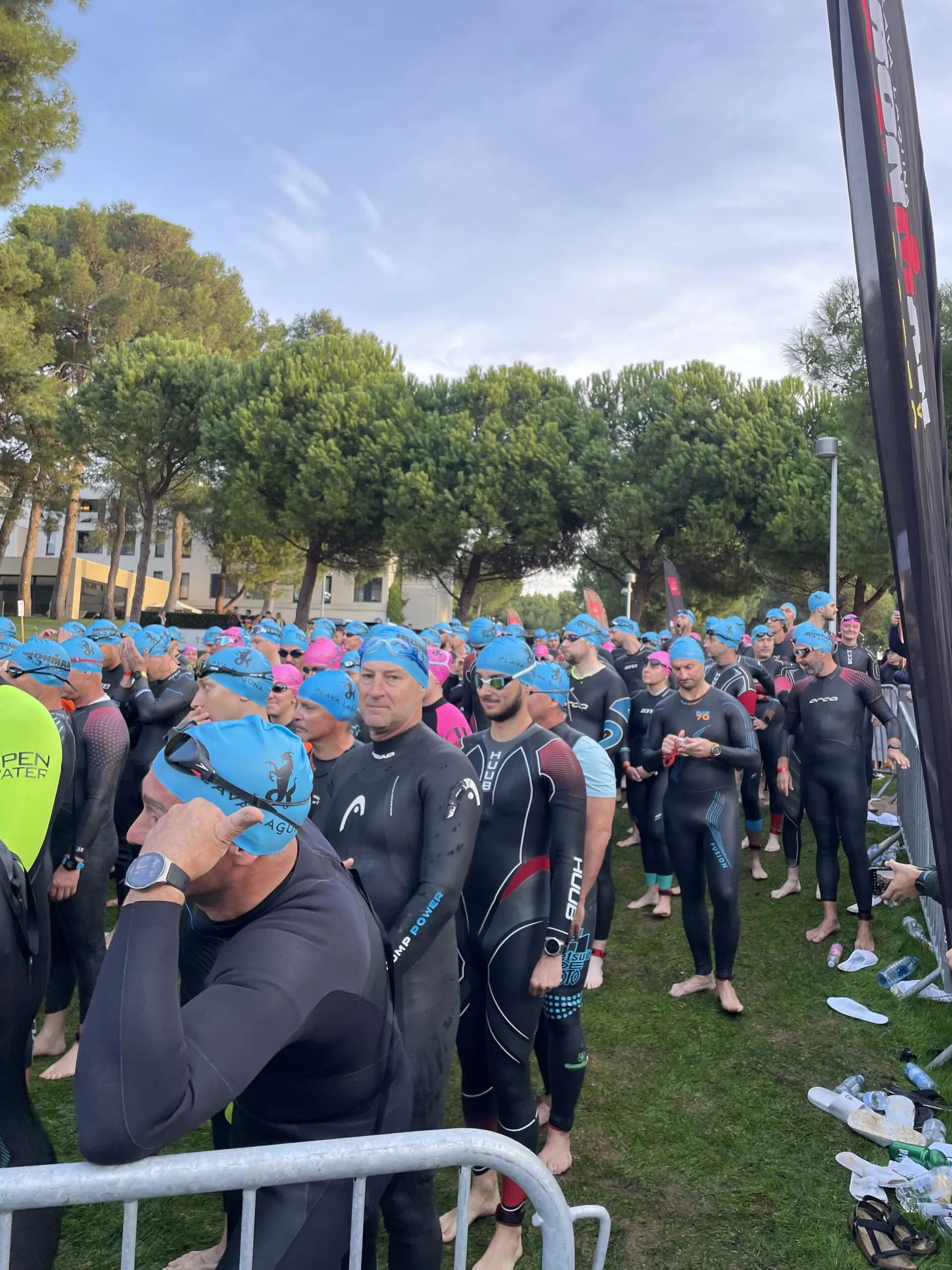
It’s quiet. You’re standing on the shore of a lake in a wetsuit that squeezes your chest. The water is dark, cold, and you can’t see the bottom. The starting horn sounds.
200 meters in, your breathing speeds up. Your heart pounds in your throat. A kick from another swimmer knocks off your goggles. Suddenly you don’t know where the surface is and where the bottom is. Panic arrives.
This scenario is every triathlete’s nightmare. And as an IRONMAN Certified Coach I have to tell you one thing: Pool training alone may not prepare you for this.
Why Panic Happens (The Science Behind the Fear)
Most of my clients come in saying they can swim 2 kilometers in the pool without a problem, but in a lake they “freeze” after five minutes. That’s not poor fitness. It’s a failure of adaptation.
In the pool you have certainty:
You see the black line on the bottom (a visual anchor).
You have a wall every 25 meters (a safety net).
You have your own space (a personal zone).
In open water, I take those certainties away. Cold water and loss of orientation can trigger a primitive survival reflex. You may start to hyperventilate. Your body can switch to “fight or flight” mode. The technique you polished all winter can fall apart in seconds.
YouTube Videos Won’t Teach You to Swim in a Crowd
The internet is full of advice like “just stay calm.” In a crisis that’s about as useful as telling a drowning person to “breathe.”
The self-taught swimmer makes the mistake of trying to just swim in the lake. But triathlon swimming isn’t about swimming. It’s about orientation, contact and crisis management.
If you train alone, you probably avoid waves, swim only along the shore and avoid contact with other people. That only deepens your fear and builds a false sense of safety that will burst like a bubble at the race start.
How I Handle It with Athletes at Atte ACADEMY
When I prepare athletes for their first triathlon or an Ironman, open water is my number one priority. I don’t care about making them the fastest. I care about making them unstoppable.
I don’t put just “volume” into the training plan, but specific drills:
Chaos simulation: I teach you how to breathe when you have no rhythm and someone crashes into you.
“Sighting” (navigation): A technique for swimming straight without lifting your head like a water polo player and sinking your legs. More about it in my Swimming Guide.
Cold exposure: Preparing your nervous system for the shock of cold water, so you’re less likely to get that familiar “tight band” feeling in your chest. Safety: never swim alone in open water, build cold exposure gradually, and mind cold-water shock when you first get in.
Your Insurance Against a DNF (Did Not Finish)
Triathlon is an expensive hobby. Entry fee, travel, accommodation… Do you want to throw it all away because fear takes over halfway through the swim?
As your coach, I’m here to give you a system. When a crisis comes, you’ll have a rehearsed procedure for calming down, getting oriented and carrying on.
Stop Fearing the Water. Master It.
Don’t wait for June, when the water is warm. Courage is built when the others don’t feel like it.
Put yourself in expert hands. At Atte ACADEMY I’ll teach you not only to swim, but to race with a cool head.
Book an introductory consultation today. Together we’ll start working on your biggest fear.
Once you’ve mastered the water, there’s still a long road to the finish. Remember that races are decided on the run. Check out my Running Guide too.